Pôle bioalimentaire
The Pôle bioalimentaire, powered by INAF and supported by the Fonds de recherche du Québec – Nature et technologie sector (FRQ), seeks concrete solutions to facilitate the transition to sustainable and resilient biofood systems. By acting as a lever for research and innovation, the Pôle provides initiatives applicable to various issues currently facing the biofood system, including adapting to climate change, increasing food self-sufficiency, limiting food loss and waste, and more. The Pôle's strength lies, among other things, in its intersectoral and international reach, bringing together the scientific community (researchers, professionals, students) and stakeholders from various sectors of the biofood ecosystem. Thus, the Pôle supports several strategic projects defined by three themes and accompanied by seven cross-disciplinary projects.
Dr. Mikhaylin is responsible for project 5 on the circular economy and the fight against food waste. As part of this project, he had the opportunity to be involved in organizing various activities.
Learn more about the Pôle!
Webinar Entrepreneuriat responsable : intégrer l’économie circulaire à son modèle d’affaires
This webinar, presented by Guillaume Cantin and Matthias Pepin, provided an opportunity to understand how to integrate the circular economy and sustainable development into business models. To this end, participants learned about the challenges and opportunities associated with responsible entrepreneurship and were provided with concrete tools for rethinking traditional business models, including the responsible business model matrix. They also had the opportunity to explore examples of how these concepts are being integrated, thanks to the initiatives being implemented by La Transformerie.
Watch the webinar (in French only)
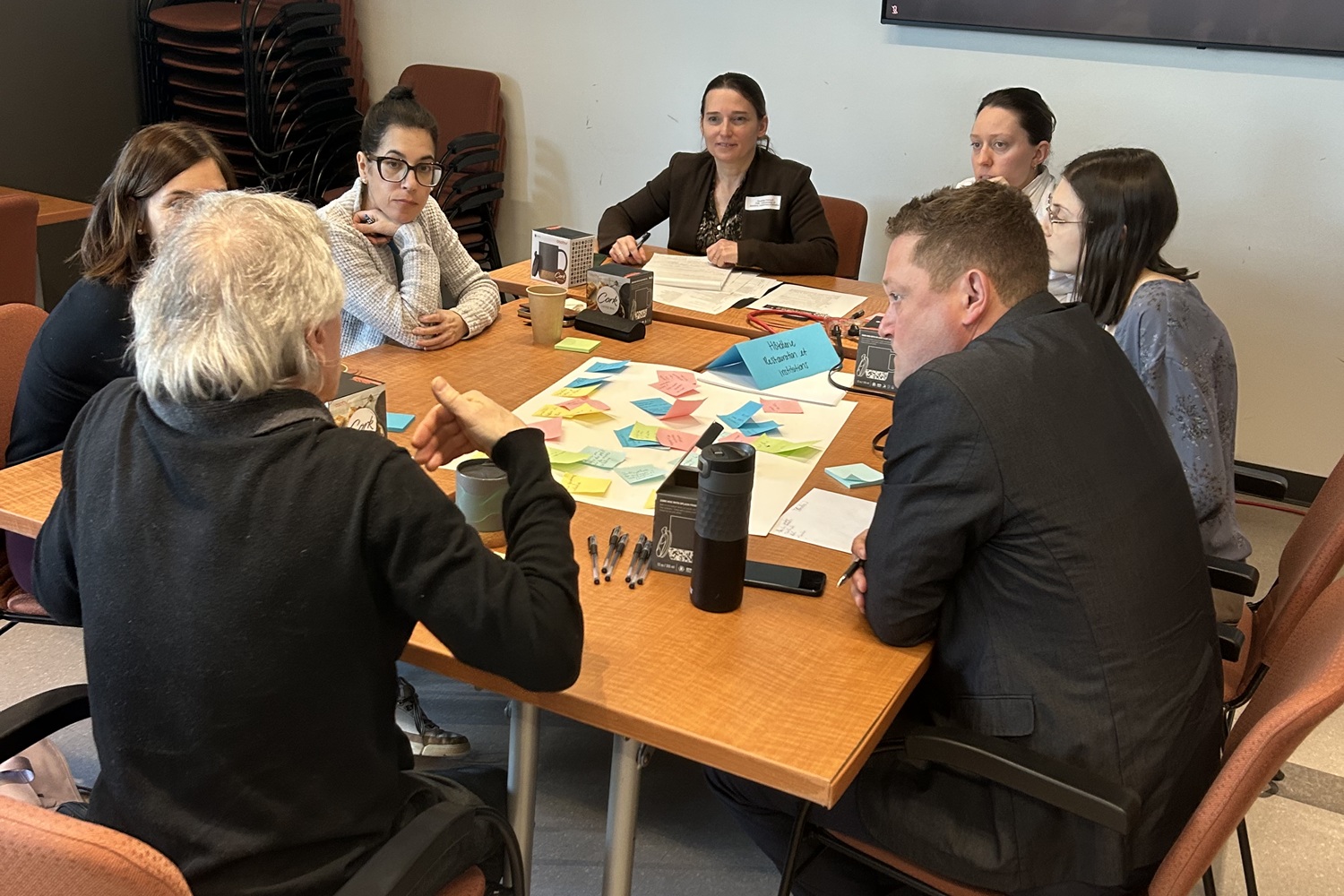
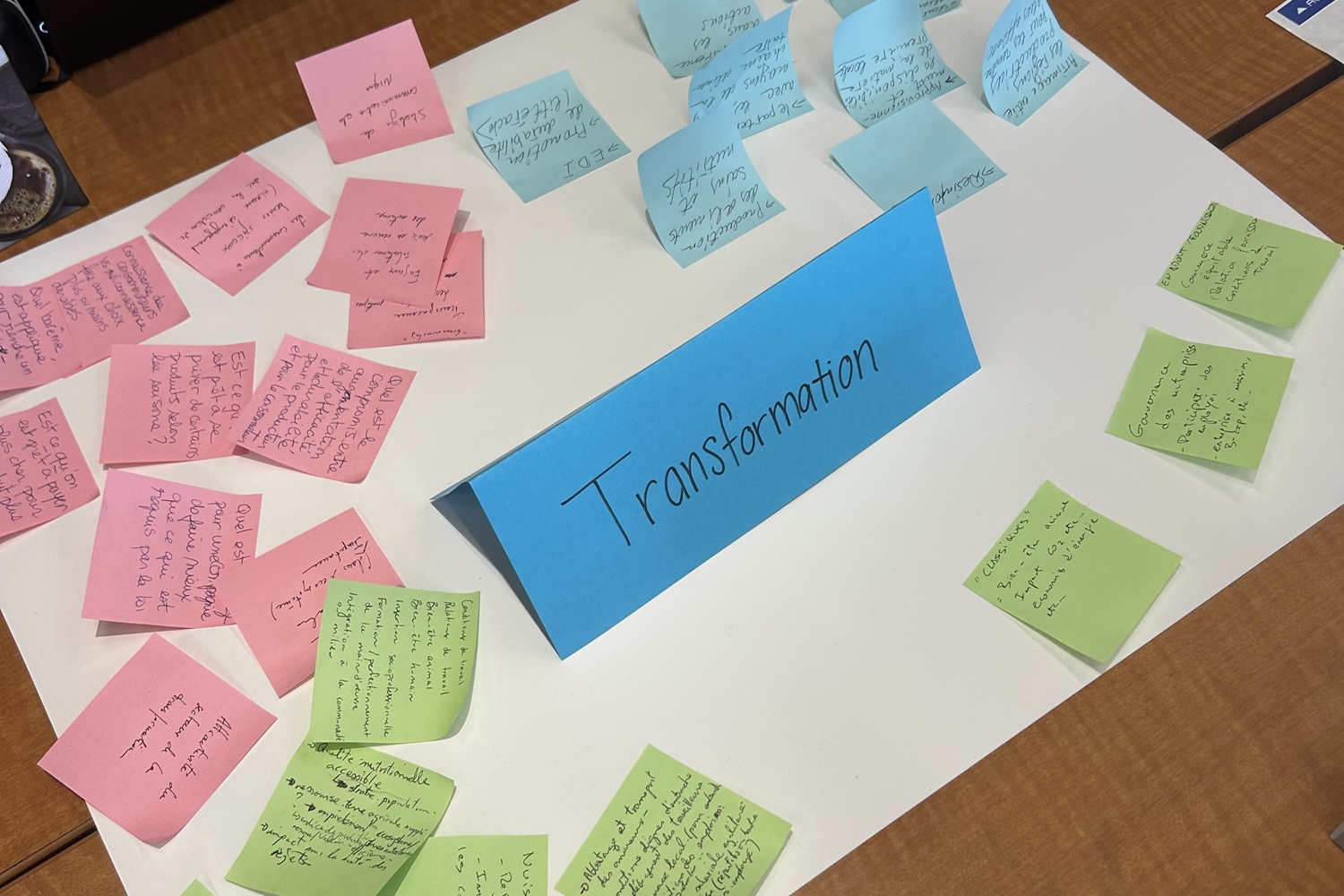
Co-creation workshop on sustainability criteria in the biofood sector
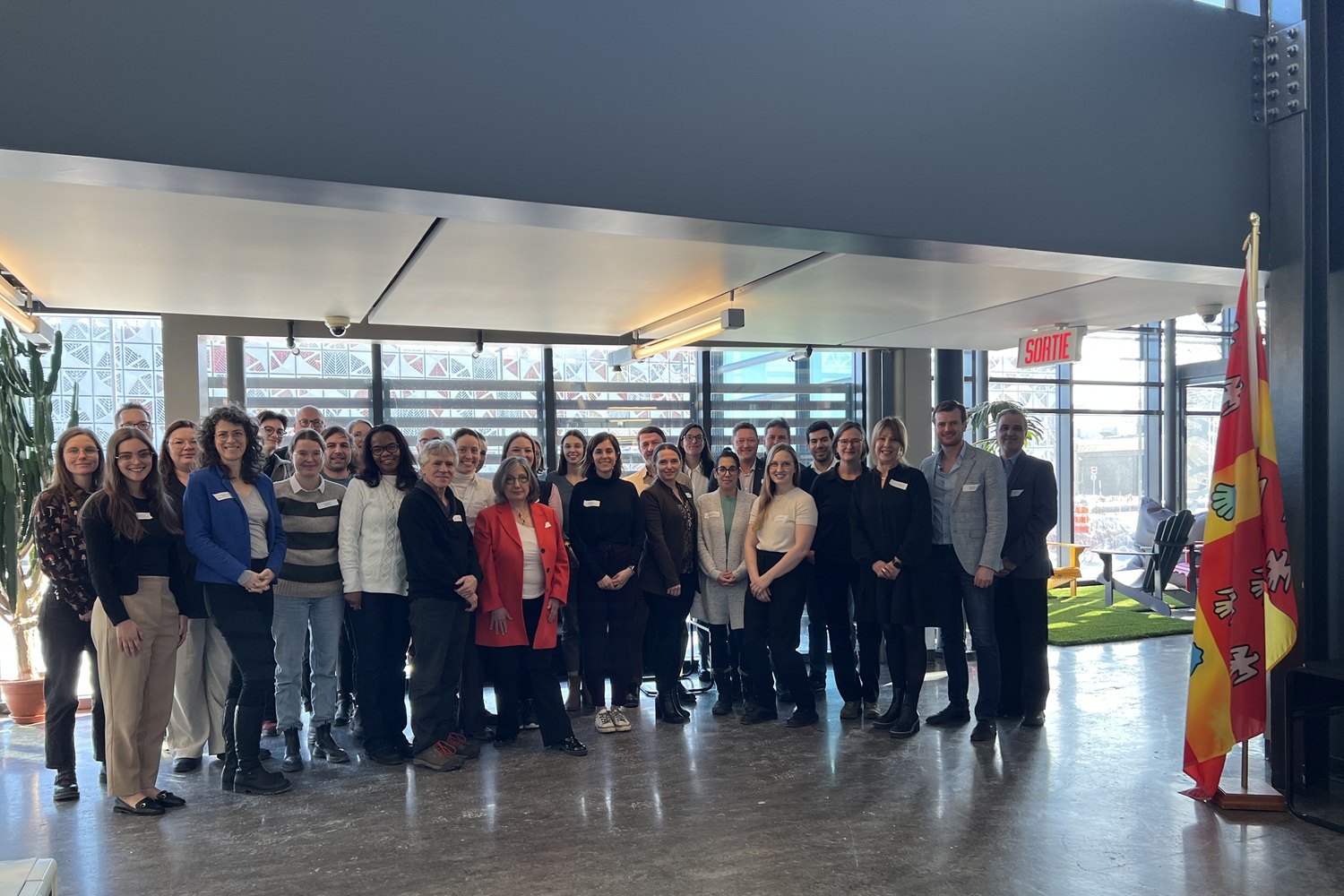
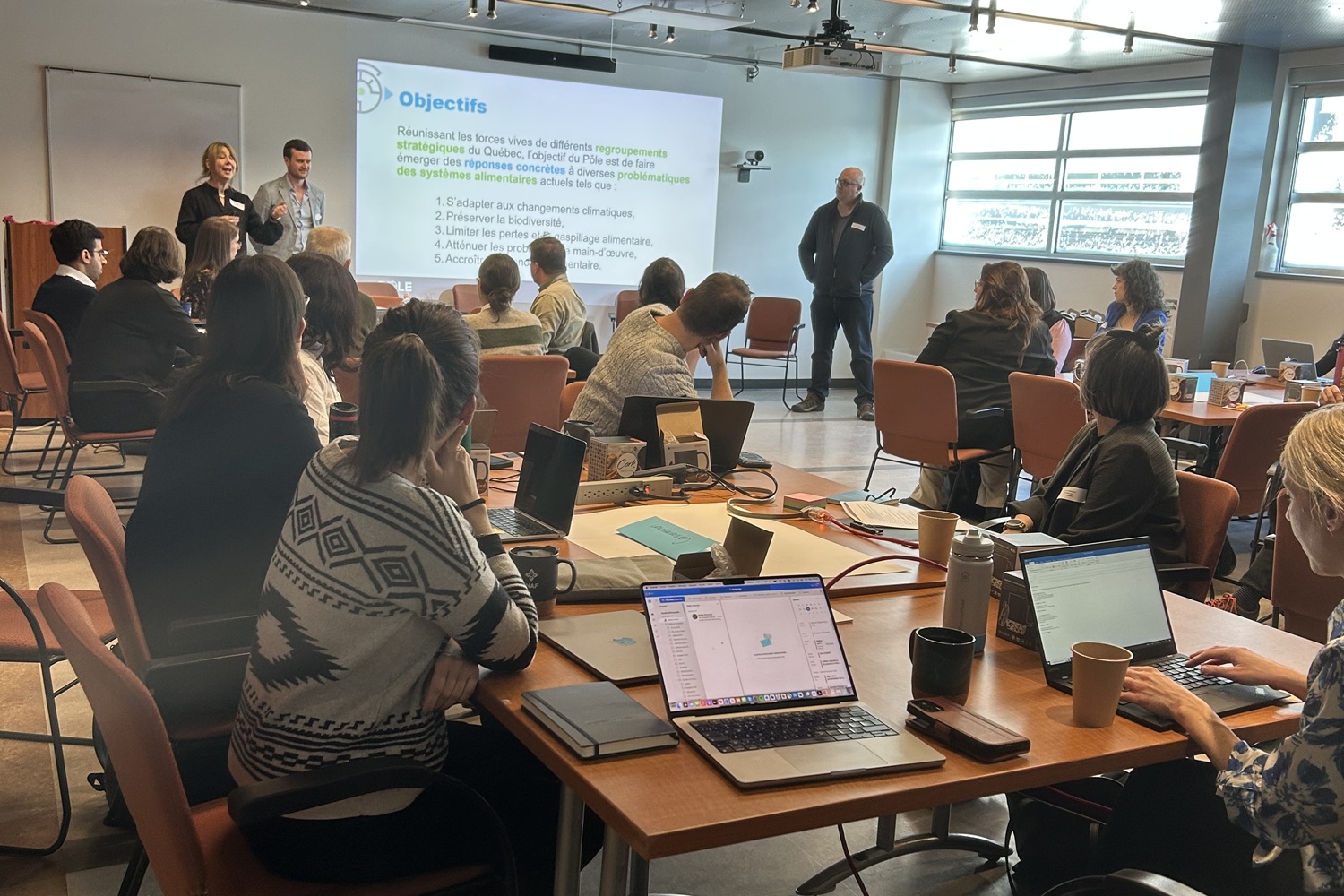
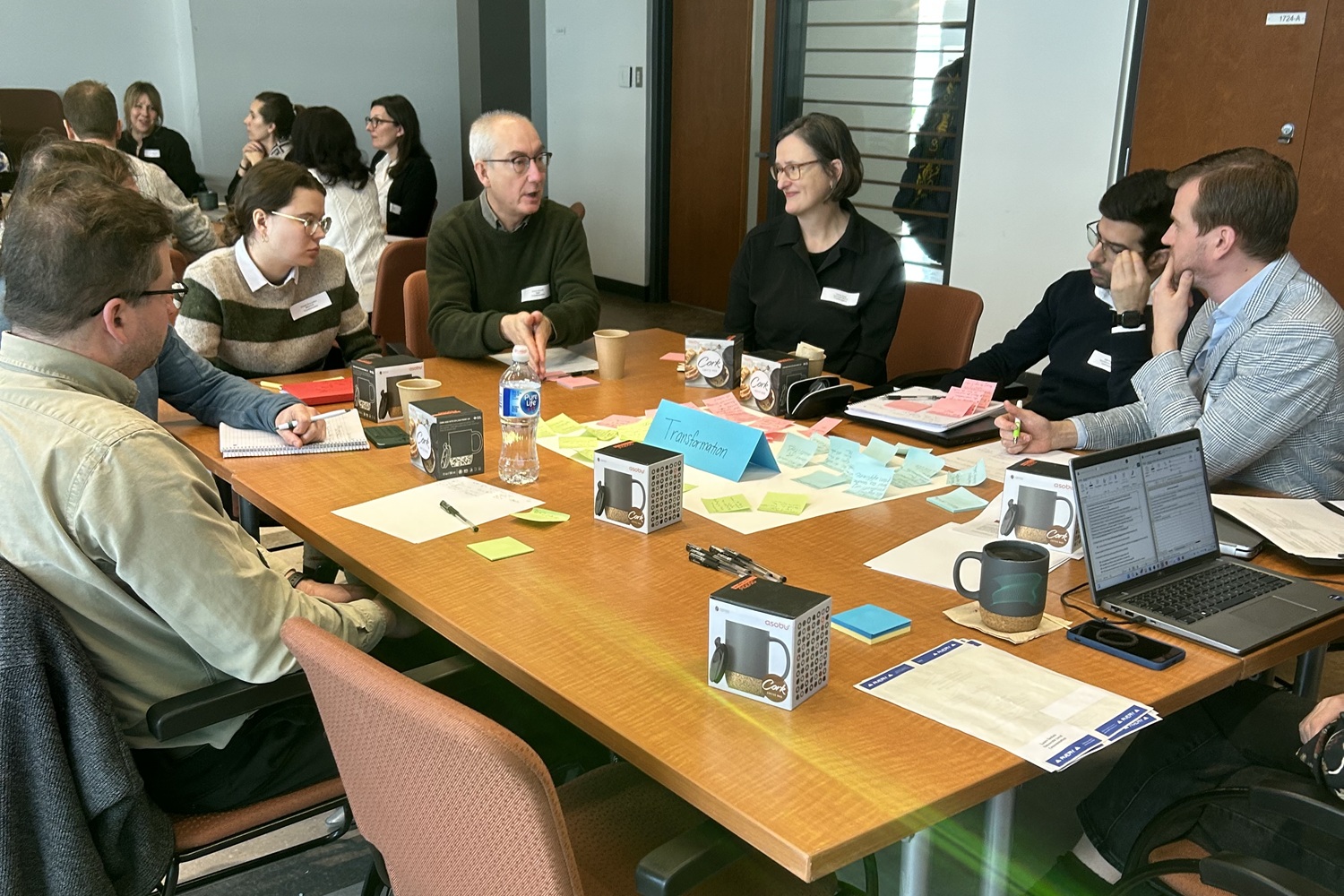
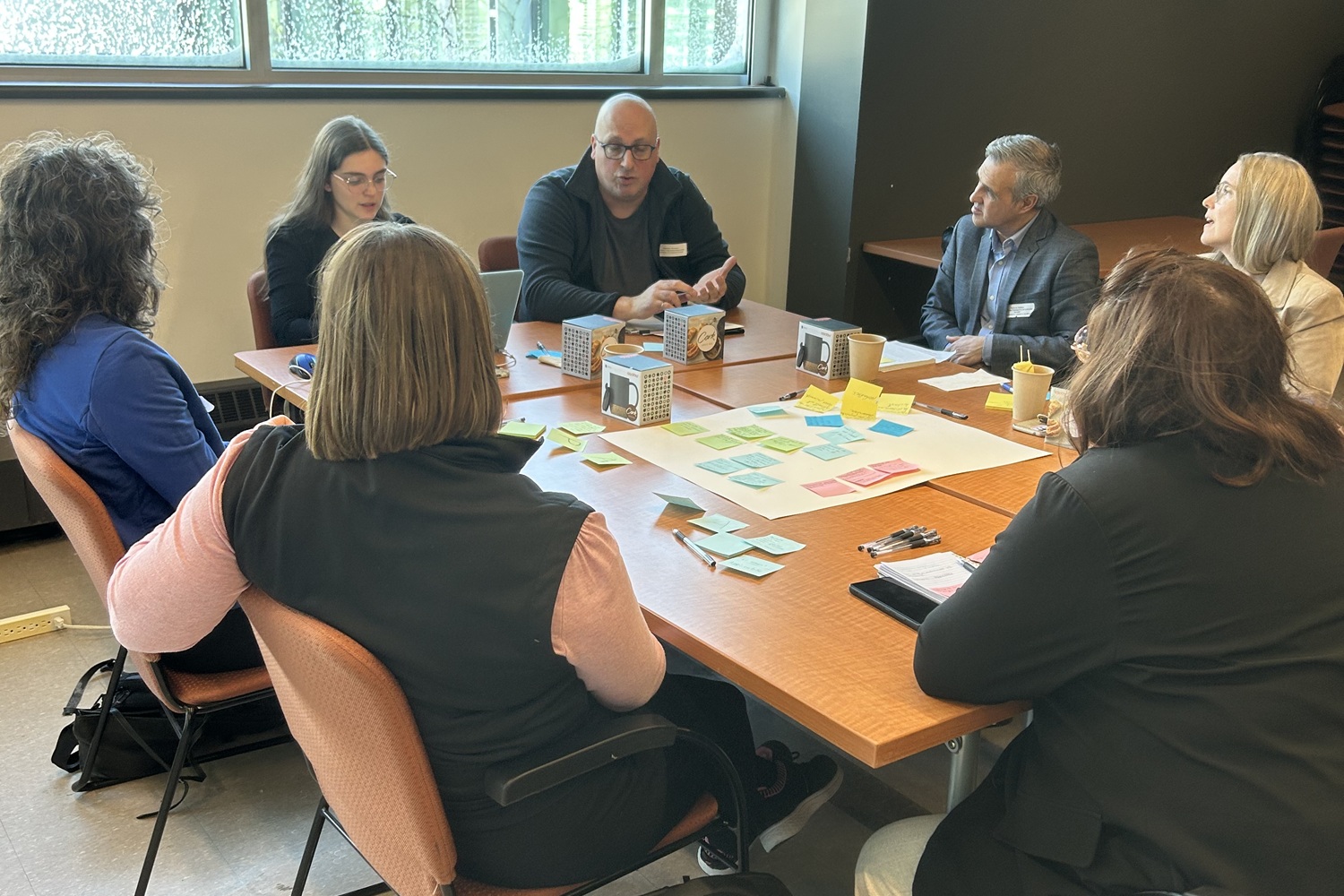
More than 40 participants from different backgrounds across Quebec had the opportunity to come together to discuss the operationalization of sustainability criteria in the biofood sector, whether at the processing, consumption, distribution/retail, or hotel, restaurant, or institutional levels. By taking into account the specific realities of each link in the chain, common benchmarks for a more sustainable food system were identified.
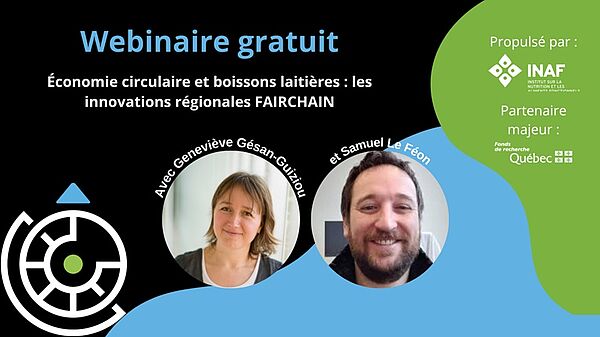
Webinar Économie circulaire et boissons laitières: les innovations régionales FAIRCHAIN
The webinar presented by Geneviève Gésan-Guiziou and Samuel Le Féon highlighted a French case study developed as part of the EU‑FAIRCHAIN project, which aimed to design sustainable, circular, and locally rooted economic models supporting zero‑waste strategies. The case study focused on supporting medium‑sized cheesemakers and their partners in the valorization of whey. Two innovations were showcased: the development of whey‑based fermented beverages and the SEAMPL software tool, designed to optimize regional zero‑waste logistics models. The webinar also explored various development and valorization opportunities.
This event provided concrete examples of circular‑economy applications in the agri‑food sector, offering inspiration for initiatives that could be implemented in Québec.
Symposium « Économie circulaire et lutte contre les pertes et le gaspillage dans le secteur bioalimentaire : défis et perspectives »
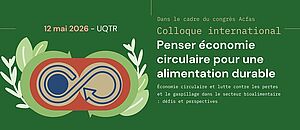
The Pôle Bioalimentaire and INAF, in collaboration with STELA, the GastronomiQc Lab, the Alliance EcoNutriMeal project, and the RRI SEBioVA, organized the international symposium “Circular Economy and the Fight Against Food Loss and Waste in the Agri Food Sector: Challenges and Perspectives” as part of the 93rd Acfas Congress. The event brought together researchers, students, and professionals from the agri food sector to explore recent innovations related to the circular economy and the transition toward sustainable food systems. Through presentations, flash talks, and scientific posters, participants examined circular economy approaches within a One Health perspective, explored coproduct valorization pathways, discussed strategies to reduce food loss and waste, and addressed issues related to acceptability and the transition toward circular systems. The symposium provided a valuable space for exchange and inspiration, encouraging new ways to integrate circular economy principles into the agri food sector.